


When W.O. Bentley founded his company in 1919, he set out to build “a fast car, a good car, the best in its class.” More than a century later, Crewe’s first fully electric car, the Bentley Torcal, meets the founder’s requirements with ease. It is an auspicious debut for Bentley in the zero-emissions age. Just as the Bentayga proved that the marque could successfully translate its values into an SUV, the Torcal now sets out to do the same for electric motoring.
The name comes from El Torcal de Antequera, a craggy limestone landscape in southern Spain, and, Bentley points out, from the Latin torquere, the root of the word “torque”. Fittingly the new Bentley delivers a performance and ride worthy of the name. The Torcal S delivers 888 PS and 1,350 Nm of torque, the most of any Bentley ever built, and reaches 60 mph in 2.8 seconds on its way to the maximum of 162 mph. The standard car takes a little longer to reach 60 mph, 3.3 seconds. An 800-volt, 113 kWh battery gives a claimed range of up to 375 miles and a 400 kW charger adds 100 miles in seven minutes, barely long enough to finish a flat white.
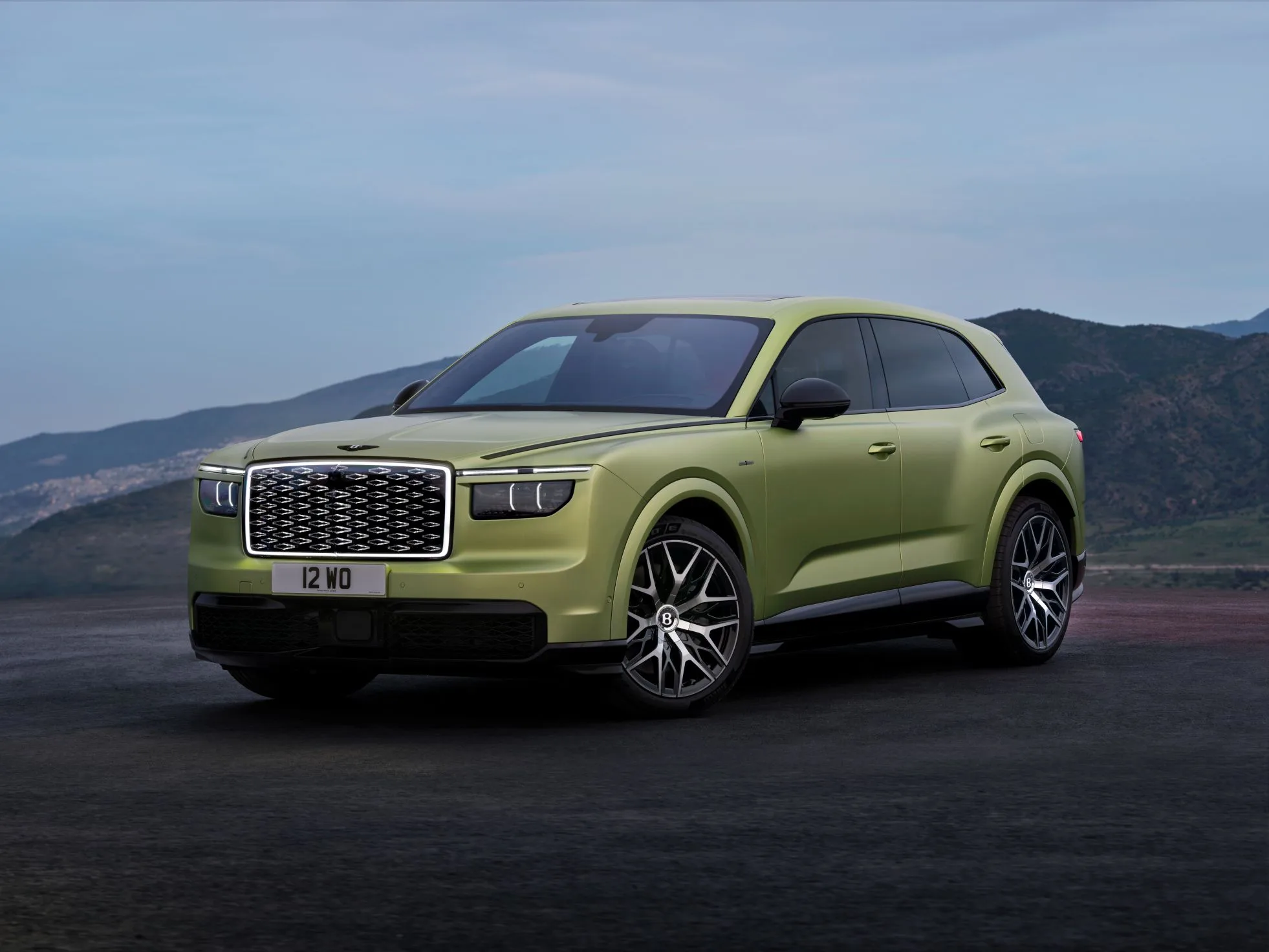
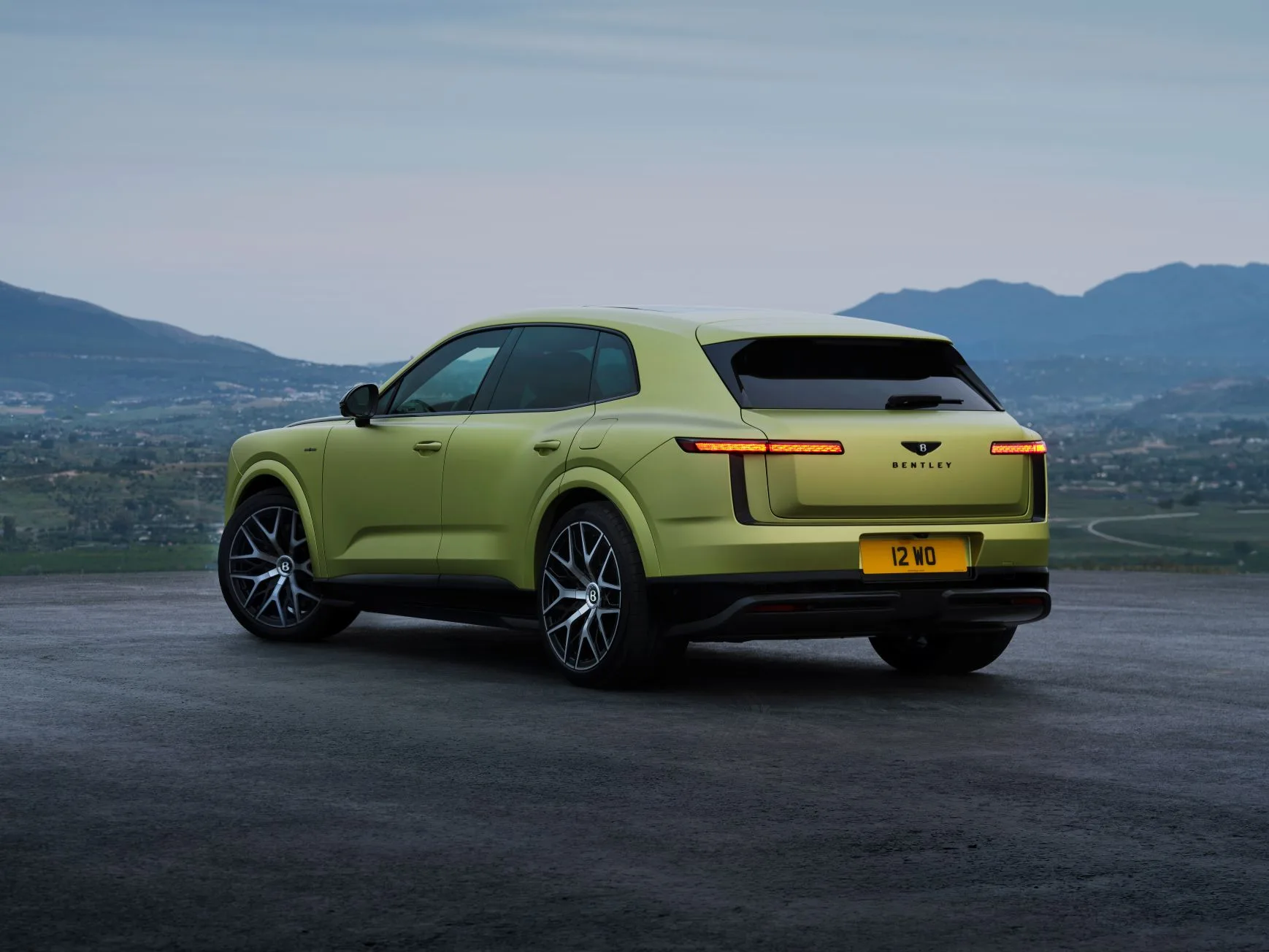
Design director Robin Page described the design of the Benltey Torcal as “embracing Bentley’s heritage and DNA in a modern way”.
Underneath the bodywork, the Torcal is a close relative of Porsche’s electric Cayenne, sharing its platform, battery and rear motor, with a front motor borrowed from the Audi Q6 e-tron. The Porsche is slightly quicker, but Bentley chose not to chase it, looking to compete on luxury and comfort. Its engineers softened the power delivery and benchmarked the car against the Continental GT rather than other electric SUVs.
The active suspension could have made the Torcal corner dead flat, but that felt unnatural, so Bentley introduced a little of the Continental’s gentle lean. W.O., who preferred not to make a fuss about power, would surely have approved.
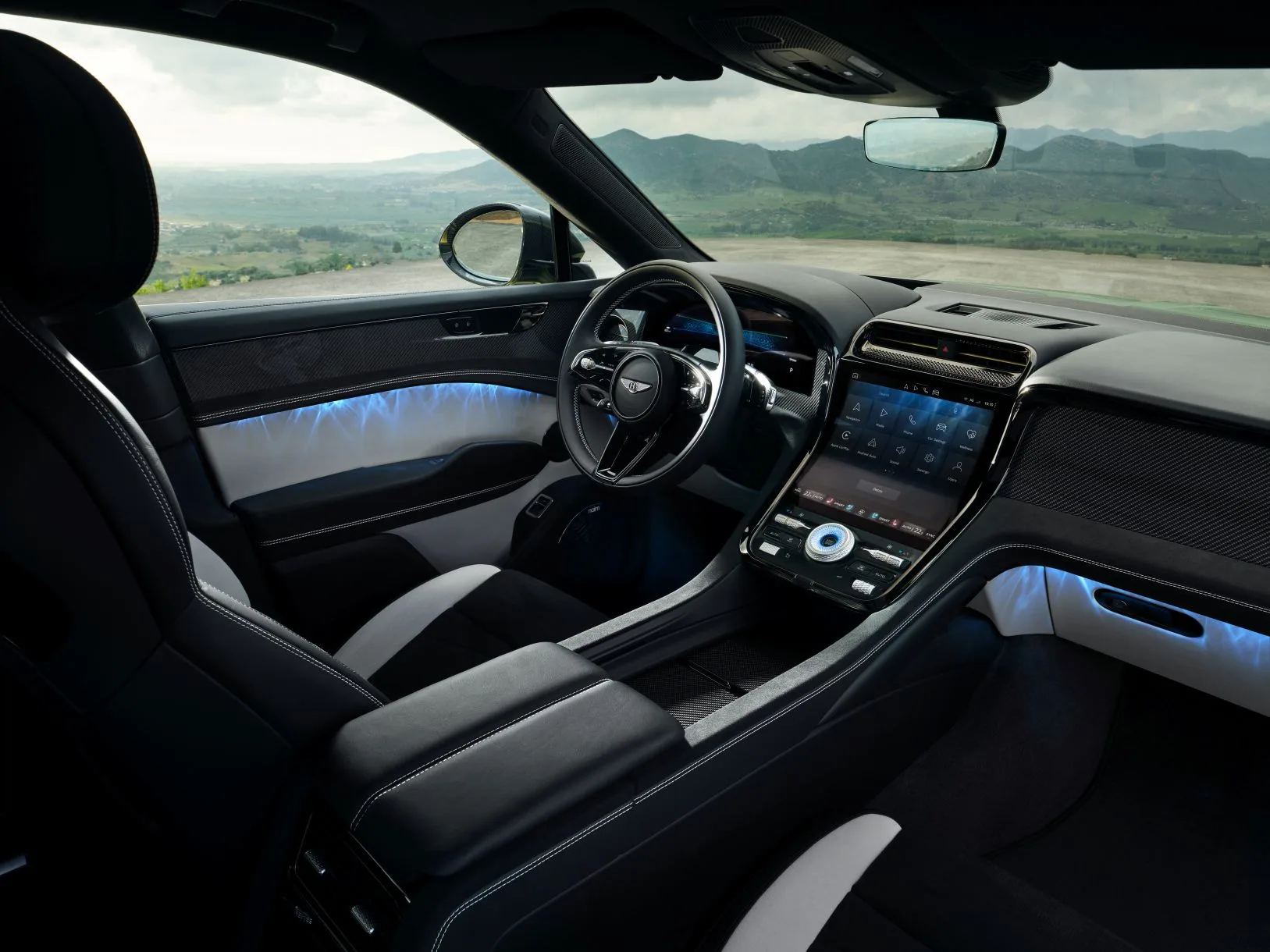
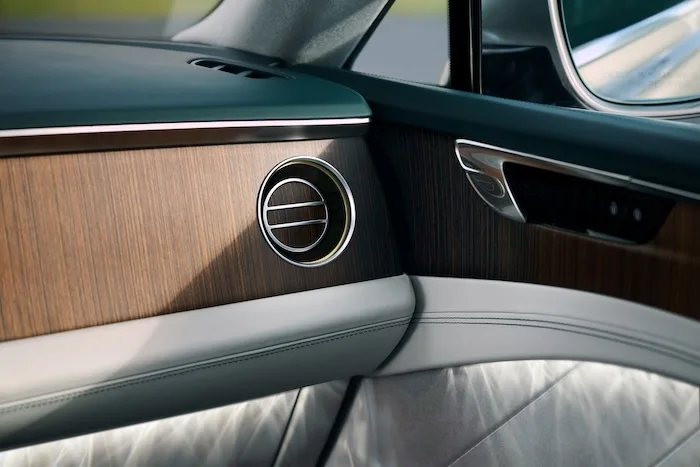
The Bentley Torcal’s cabin combines OLED screens, knurled controls and Bentley’s familiar bullseye vents with diamond-quilted seating, 100 per cent Merino wool upholstery and a new walnut veneer made from off-cuts and recycled paper.
Bentley’s cabin refinement and aesthetics are second to none. There are still physical buttons and bullseye vents, plus the world’s first 100 percent Merino wool car upholstery, woven by Fox Brothers in Somerset, along with a new walnut veneer made from up to a thousand layers of off-cuts and recycled paper. The seats massage, and the doors close themselves when you buckle up.
The styling draws on last year’s EXP 15 concept and the classic Continental T, while the thinking behind the cabin echoes the EXP 100 GT, the electric concept Bentley unveiled for its centenary in 2019 with sustainable materials, and light, air and sound that adapt to the occupants’ mood. One of the four Experience Modes even offers a “digital detox”. As for the famous V8 soundtrack from petrol engines, Bentley hired a drummer, a viola player and a bass guitarist to recreate its rhythm. It can be switched off if you prefer silence.
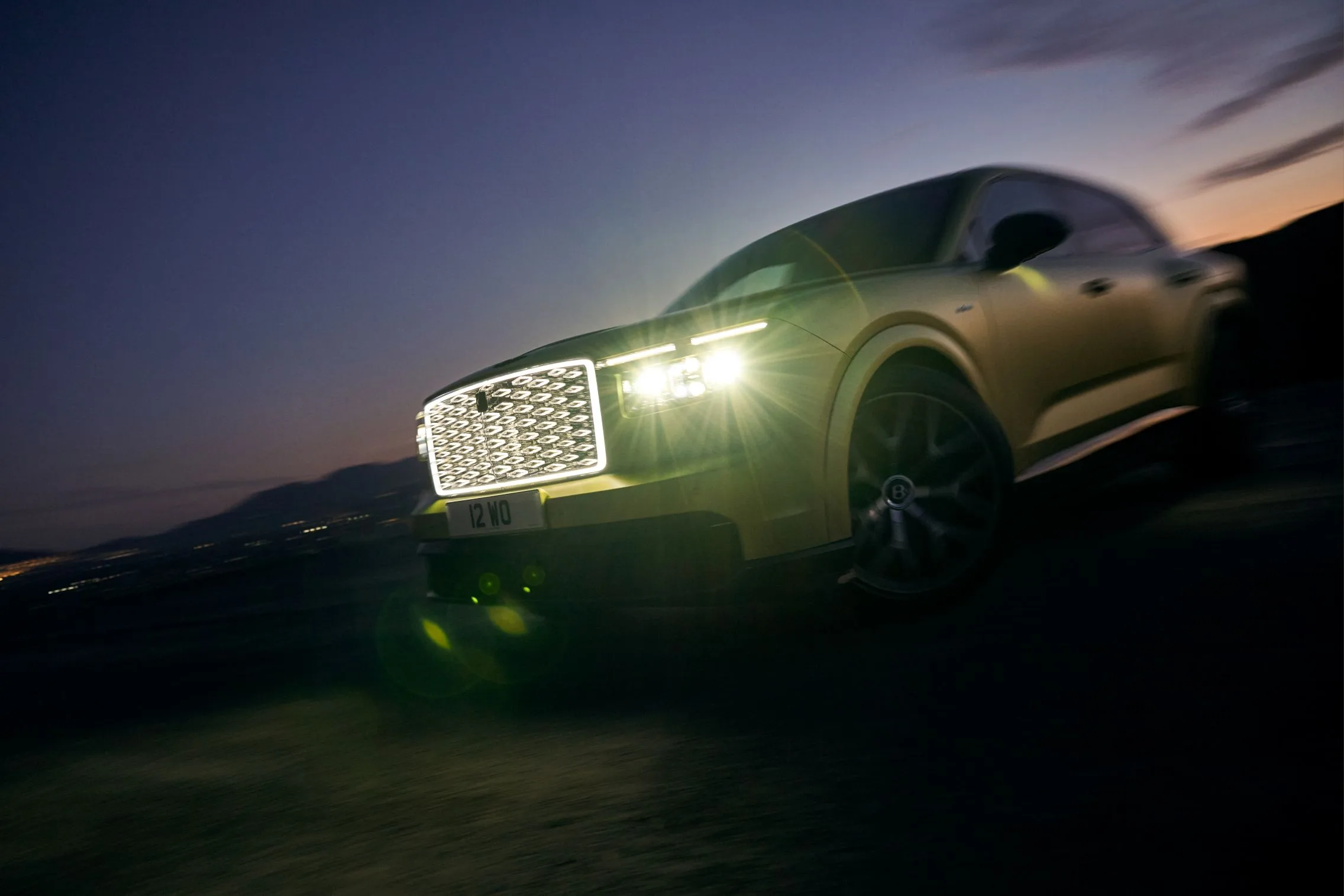
The Bentley Torcal retains Bentley’s illuminated diamond grille, despite no longer needing a traditional radiator opening. Design director Robin Page said removing it would have felt “like a hand over a mouth”.
The standard Torcal costs £173,300 and the S £199,300. That places it above the Range Rover Electric, but at roughly half the price of the Rolls-Royce Spectre, until now the obvious choice for an electric car with a pedigree. Mercedes-Maybach and Lotus offer cheaper electric SUVs, but neither has Bentley’s history of craftsmanship. Timing is on its side too. Rolls-Royce’s electric SUV is not expected until 2027, giving Bentley a head start. Production of the Torcal begins in the second quarter of 2027, and while it has a silent drive, it is likely to make considerable noise in the industry.
Author: Andrew Hildreth
Other luxury cars recently reviewed by I-M Inquisitive Minds include the Range Rover Sport Electric and the new Mercedes-Maybach S Class.


Show Comments +